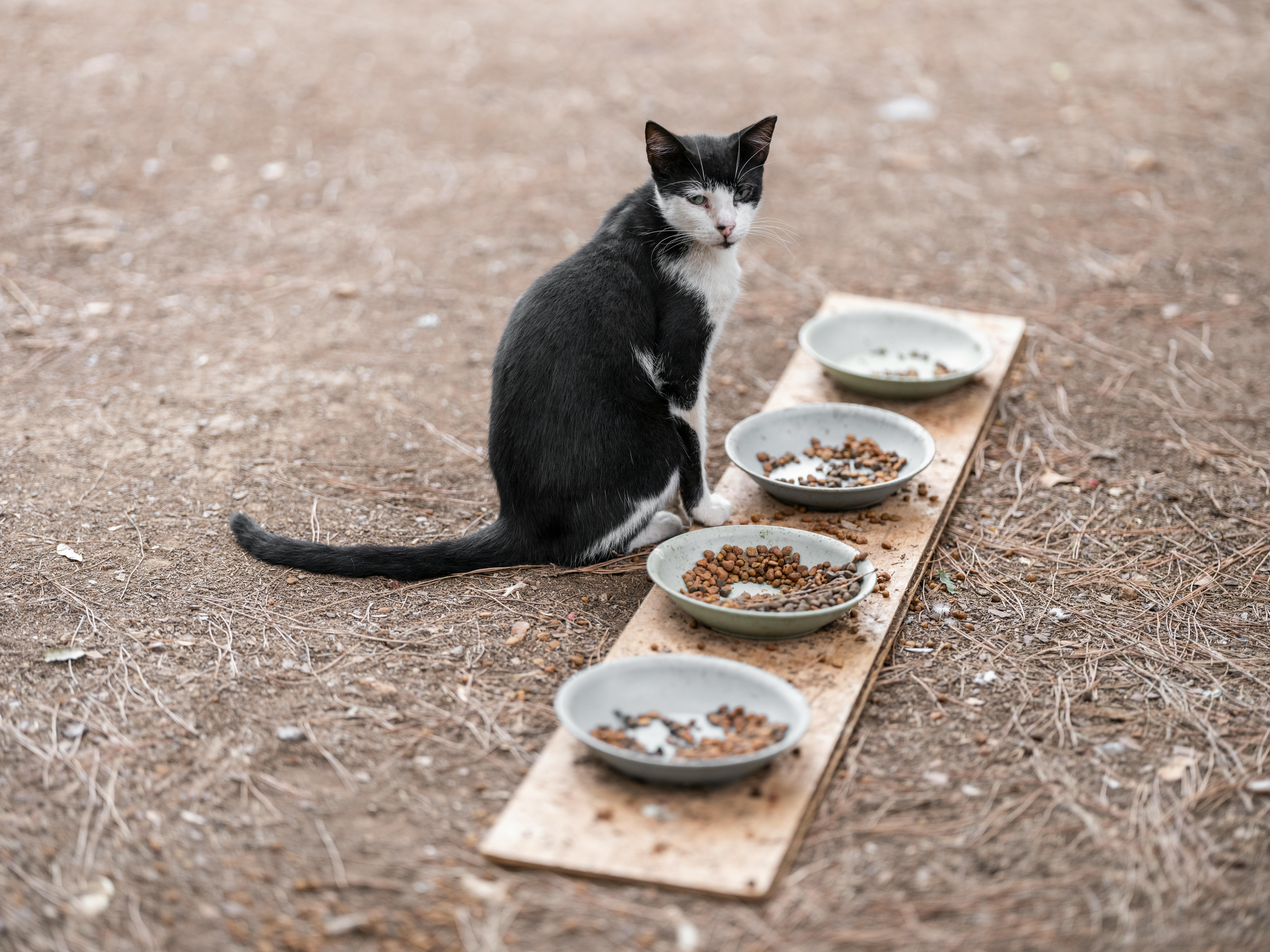
Understanding Feline Anorexia: More Than Just a Fussy Eater
In the veterinary world, the term "anorexia" refers simply to a loss of appetite, regardless of the cause. Unlike humans, cats cannot go long periods without food. Their unique metabolism is designed for frequent, small meals rich in animal proteins. When a cat stops eating, their body begins to process stored fat to use for energy. However, the feline liver is not particularly efficient at processing large amounts of fat, which can lead to a life-threatening condition known as hepatic lipidosis.
It is essential to distinguish between a "finicky" cat—one that might skip a meal because they dislike a new brand of kibble—and a cat with true anorexia. If your cat is refusing all food, including high-value treats or fresh chicken, it is a clinical sign that demands immediate investigation. As veterinary medicine advances through 2026, early nutritional intervention is increasingly recognised as critical in preventing secondary metabolic complications.
Common Medical Causes for Appetite Loss
Loss of appetite is rarely a disease in itself; rather, it is a symptom of an underlying health issue. These causes can range from mild, treatable conditions to chronic systemic diseases requiring long-term management.
Dental Disease and Oral Pain
One of the most frequent reasons a cat stops eating is oral discomfort. Cats are prone to painful dental conditions including gingivostomatitis, periodontal disease, and feline resorptive lesions (FORLs). In resorptive lesions, the body gradually breaks down the tooth structure, exposing sensitive nerves. A cat with dental pain may approach food with interest but retreat after attempting to chew, or tilt their head awkwardly while eating.
Gastrointestinal Disorders
Digestive tract issues are a leading cause of feline anorexia. Conditions such as inflammatory bowel disease (IBD), pancreatitis, and gastrointestinal blockages often cause nausea and abdominal discomfort. Cats may also ingest foreign objects like string, plastic, or hair ties, leading to dangerous obstructions. Parasitic infections and sudden dietary changes can further disrupt gut balance and reduce appetite.
Systemic Illness and Organ Failure
Chronic Kidney Disease (CKD) is common in ageing cats. As kidney function declines, toxins accumulate in the bloodstream, causing nausea and general malaise. Liver disease, heart failure, diabetes, and feline hyperthyroidism can also suppress appetite. In many cases, appetite changes are among the earliest detectable signs of systemic disease.
Respiratory Infections and Loss of Smell
A cat’s appetite is closely linked to their sense of smell. Upper respiratory infections, often referred to as cat flu, cause nasal congestion that interferes with scent detection. Without the ability to smell food, many cats refuse to eat. These infections are commonly accompanied by fever, discharge, and lethargy.
Environmental Stressors and Psychological Triggers
Cats are highly sensitive to environmental changes. Even subtle disruptions can trigger stress-induced appetite loss, commonly referred to as behavioural anorexia.
Changes in the Household
Moving house, introducing a new pet, welcoming a baby, or changes in daily routine can create anxiety in cats. When stressed, the body prioritises survival responses over digestion, which may temporarily suppress appetite.
Food Neophobia and Bowl Placement
Some cats experience food neophobia—a reluctance to accept new foods. Sudden dietary changes without gradual transition can lead to refusal. Bowl placement also matters. Feeding areas located near noisy appliances, high-traffic zones, or litter trays may make a cat feel vulnerable. Shallow dishes can help reduce whisker fatigue and improve feeding comfort.
The Biological Danger: Hepatic Lipidosis (Fatty Liver Disease)
Hepatic lipidosis is the primary reason appetite loss in cats is considered a medical emergency. When a cat stops eating, fat stores are mobilised to the liver for energy conversion. The feline liver can become overwhelmed by this fat accumulation, leading to liver failure. This condition can develop within 48 to 72 hours of complete fasting, particularly in overweight cats.
Clinical signs include jaundice (yellowing of the gums, ears, or eyes), severe lethargy, vomiting, and weakness. Treatment typically requires intensive veterinary care, including intravenous fluids and assisted feeding via a feeding tube. Without prompt intervention, hepatic lipidosis can be fatal.
Expert Tips: How to Encourage Your Cat to Eat
If your veterinarian has ruled out an emergency condition, the following strategies may help stimulate appetite:
- Warm the Food: Gently heating wet food to approximately 38°C enhances aroma and palatability.
- Use High-Value Toppers: Add small amounts of tuna water (spring water only), plain boiled chicken, or veterinary-recommended appetite stimulants.
- Hand Feeding: Calm encouragement from a trusted owner may reduce stress-related refusal.
- Create a Quiet Feeding Area: Ensure the feeding zone is calm, separate from other pets, and free from loud noises.
When to Worry: The 24-Hour Rule
Although a single missed meal may not be alarming, strict timelines apply when monitoring feline appetite.
The 24-Hour Rule: If an adult cat has not eaten for 24 hours, contact your veterinarian. For kittens under six months, seek advice within 12 hours.
Seek immediate veterinary care if appetite loss is accompanied by:
- Repeated vomiting or persistent diarrhoea.
- Yellowing of the gums or eyes (jaundice).
- Extreme lethargy or unusual hiding behaviour.
- Laboured breathing or coughing.
- Signs of pain when touched or near the food bowl.
Conclusion
A cat refusing food is one of the most significant warning signs of underlying illness. Whether caused by dental pain, systemic disease, gastrointestinal upset, or environmental stress, appetite loss should never be ignored. Understanding the medical and behavioural factors involved allows for early intervention and better outcomes.
Prompt veterinary consultation remains the safest course of action whenever appetite changes persist. Acting quickly can prevent serious complications and help ensure your cat enjoys a long, healthy, and well-nourished life.
References & Further Reading
For more detailed information on feline health and nutrition, consult the following trusted resources: